National Consumer Week 2021 - be wise to being green
National Consumer Week 2021 - be wise to being green
by Molly Hall
It’s National Consumer Week (NCW), an opportunity to raise awareness of issues that consumers face across the country. This year it’s all about making green consumer choices in a safe and considered way.
Going green
Citizens Advice is encouraging people to “be wise to being green”. As highlighted by the COP26 summit in November, and as part of the UK’s net-zero targets, it’s important that we take steps to be more environmentally friendly. We can make our homes energy efficient and install energy technologies like solar panels. It can save money on bills in the long run, and it’s good for the environment.
A new policy introduced in April means 29 million homes across the UK will need to change to use low carbon heat technologies by 2050. The Energy Company Obligation (ECO) provides grants for energy efficiency measures such as cavity wall insulation and loft insulation. Additionally, draught-proofing and fitting energy-saving light bulbs are cheap and easy to implement. Fitting a modern condensing boiler is expensive, but replacing an old boiler with a modern one with heating controls could save you more than £200 a year.
As for renewable energy generation, the upfront costs of things like solar panels can be high. But the Renewable Heat Incentive (RHI) helps to offset the initial expense of installing renewable heating. Meanwhile, the Smart Export Guarantee can pay for the electricity you generate at home and export.
Misleading claims
There are many issues to consider when making your home more energy-efficient, such as whether they are suitable or affordable and checking if green claims are correct.
Greenwashing is where companies provide misleading information about how they or their products are more environmentally friendly than they actually are. Beware of false claims about the product, including energy efficiency that could save you money, and using logos that aren’t accredited.
If you decide to implement energy efficiency measures, take time to research and find reputable traders. Rogue traders tend to get you to agree to have work done, sometimes via cold calls, which is usually poorly done and overpriced. Alternatively, they can ask for upfront payments then disappear.
Consumers should also beware of fraudsters as there are a number of green scams online. For example, if you receive an email or text about energy efficiency grants, or offers to reduce your energy bill, be wary and don't click on links. It’s important to research companies before committing, and report anything that you think could be a scam. Citizens Advice found that scams were the single biggest issue people contacted us about with the Green Homes Grant, a government scheme available until March 2021.
How we can help
Our specialist Consumer Service at Citizens Advice Gateshead can help if you’re unsure about anything or if something goes wrong.
Call the Citizens Advice consumer service on 0808 223 1133. Or, visit our advice pages for more support.
Our opening times
Monday to Friday
9am to 5pm
Saturday to Sunday
10am to 4pm
What do we cover?

How to find us
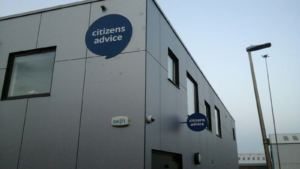 Main office
The Davidson Building,
Swan Street,
Gateshead,
NE8 1BG
Hubs in the region

This Is The North podcast

Stay connected


Easy access
Company limited by guarantee registered in England and Wales 2631064 and registered Charity 1020565. VAT Number 484972535. Registered office The Davidson Building, Swan Street, Gateshead, NE8 1BG. Citizens Advice Gateshead ar regulated by the Financial Conduct Authority (FCA). Reference number: 617611
