Addiction in Lockdown - Gambling in Lockdown

Over the last two articles - Moving Online and Changing Motivation - we have taken a look at the changes which have happened in the gambling industry since the beginning of the lockdown. When it comes to identifying, understanding, and mitigating gambling harm, the role which addiction plays is front and centre.
If we step away from gambling specifically for a moment, the NHS defines addiction as “not having control over doing, taking or using something to the point where it could be harmful to you”1. In the context of the current pandemic, the role which addiction plays in mental health is perhaps best summed up in this quote from a gentleman in recovery from alcohol addiction – “I have a disease more deadly than COVID-19. It’s called alcoholism”2. If nothing else, this quote highlights just how low people can often feel during active addiction; and for many at the moment, fear of relapse far outweighs the fear of the coronavirus.
Vicki Beere - the CEO of the charity Project Six Addiction - acknowledges that “the worst thing for someone in recovery is isolation”3. It has been said in many ways that the opposite of addiction is not sobriety nor abstinence, but connection. Anecdotally, we can see this in action. Many successful programs of recovery have a significant focus on increasing a sense of connection in some way - whether that be 12 step meetings, SMART recovery meetings, residential rehabilitation, or even a connection with God or a higher power.
Of course, there is more to recovery than connection alone - but it is clear that recovery programs embrace the value of connection for a reason. By definition, lockdown and social distancing inhibit our ability to form and nourish connection. It is not being suggested that these measures shouldn’t be followed, but that we consider the consequences of not acknowledging this significant barrier to long-term recovery - and think about how we can mitigate those risks.
Since the introduction of the lockdown, 15% of gamblers are spending more time gambling than they were previously. When we consider only the most engaged gamblers, this jumps to 60%4 . There is, of course, the other side of the coin – since gambling engagement is increasing, we would also expect numbers of people seeking support to reduce their gambling to increase. Actually, we have seen the opposite. The number of calls to the National Gambling Helpline have dropped by 50% in the first three weeks of lockdown4. It has been suggested that this reduction is a direct result of people feeling unable to engage in a private conversation while self-isolating with their family or housemates - something which is entirely understandable.
Thankfully, alternatives are available. Support and resources can be found at the GambleAware website, and many Gamblers Anonymous meetings have been moved online. Online meetings can be attended on a laptop or mobile, even using headphones for further privacy - meeting details can be found on the GA website. Crucially, GamCare run a live chat service which offers the same support as the National Gambling Helpline, but without the need to have a vocal conversation. Regardless of which channel is best, it is more important than ever to make sure people know that there are ways to reach out, even in lockdown – and that although the ability to help face-to-face is restricted at the moment, willingness to help most certainly is not.
References
- Addiction: what is it? - NHS. Accessed May 14, 2020. https://www.nhs.uk/live-well/healthy-body/addiction-what-is-it/
- Coronavirus and addiction: For those in recovery, social isolation can bring a greater risk. Accessed May 14, 2020. https://eu.azcentral.com/story/news/local/arizona-health/2020/04/14/coronavirus-and-addiction-those-recovery-social-isolation-can-bring-greater-risk/2979076001/
- Coronavirus: Addicts “more vulnerable” because of lockdown - BBC News. Accessed May 14, 2020. https://www.bbc.co.uk/news/uk-england-leeds-52294664
- Coronavirus: “I’m being bombarded by gambling ads” - BBC News. Accessed May 14, 2020. https://www.bbc.co.uk/news/stories-52506113
Our opening times
Monday to Friday
9am to 5pm
Saturday to Sunday
10am to 4pm
What do we cover?
How to find us
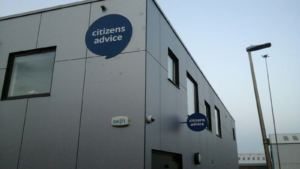 Main office
The Davidson Building,
Swan Street,
Gateshead,
NE8 1BG
Hubs in the region

This Is The North podcast

Stay connected


Easy access
Company limited by guarantee registered in England and Wales 2631064 and registered Charity 1020565. VAT Number 484972535. Registered office The Davidson Building, Swan Street, Gateshead, NE8 1BG. Citizens Advice Gateshead ar regulated by the Financial Conduct Authority (FCA). Reference number: 617611
